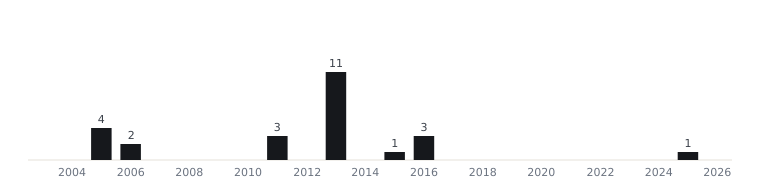
Inspection 313647646 OPENED MAR 13, 2013Open
Accident · Partial · Safety · 57 employees at the site · Open
23920 S Vermont Avenue, Harbor City, CA 90710 · Electroplating, Plating, Polishing, Anodizing, and Coloring · OSHA's record · Phone and website on Google Maps
Incident on Mar 13, 2013 (fatal): Employee is caught between hoist and tank, later dies
At about 8:30 a.m. on March 13, 2013, Employee #1, with Prime Wheel Corporation, was wearing a long glove and was reaching into one of the plating tanks to feel for flow next to a filter intake that had been recently serviced. The process i nvolved two lines of dip tanks. The baths included varying compounds of copper, chrome, acids, bases and other rinse baths. The two rows of dip tanks were servi ced by overhead hoists with hangers, three on one side, four on the other. The p rocess was computer controlled. Employee #1 was a member of the third shift. The second shift had completed a replacement of seals on a pump, a common practice job, and it was left for third shift to change and test the filter for the pump, which was also a common task. Employee #1 was feeling for flow when one of the automated hoists ran into him and pinned him against the tank. Employee 1# was t rapped for several minutes as other coworkers tried to free him. Employee #1 was transported to the hospital but died around 9:30 a.m. The hoists were equipped with flashing light, horn and had interlocked shut-off safety bars on them. Most of these safety features were either disconnected, defeated, corroded or otherw ise non-functional. On the hoist, represented to be the one involved in the acci dent, it was observed that the interlock switch was not engaged against the safe ty bar surface, rendering it inoperable, and there was no warning horn and no fl ashing light. The hoist appeared to have been manufactured by an Auto Technology Company in Strongsville, Ohio. It was determined that although Employee #1 had been hired originally via a temporary agency, at the time of the accident, Emplo yee #1 had been hired as a full time employee of the employer. It was determined that the employer did provide personal protective equipment including safety gl asses, gloves, steel toe boots and hardhats, but it could not be discerned from witness interviews whether the Employee #1 had been wearing this same equipment at the time of the accident. An Order Prohibiting Use (OPU)was hung on the plati ng line until repairs to the lights, horns and safety bars could be affected. Th e OPU was removed after all hoists had been restored with their safety features.