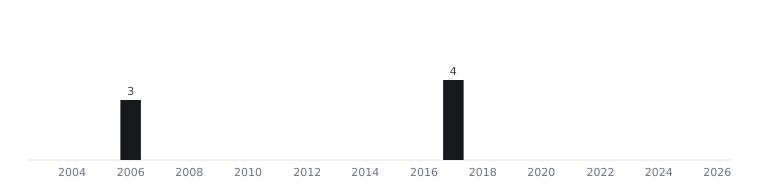
Incident on Sep 26, 1996 (fatal): Employee dies of blood clot following head injuries
On September 19, 1996, Employee #1 was engaged in a motorcycle handlebar polishi ng operation. The dual head polisher pedestal stand was a Hammond/Charles La Ham medieu, W0-20A lathe, equipped with a #320J grit cloth abrasive coated flap whee l (2 in. by 12 in. Shaeffer, Brad/Barrett). A coworker in the area said that he was standing behind Employee #1 when the handlebar was suddenly thrust downward and around the lathe's flap wheel, emerging at the top and striking Employee #1 in the forehead. Employee #1, who sustained a deep (2 in.) laceration above the hairline, was transported to a hospital, where he died at 11:00 a.m. on Septembe r 26, 1996, of a blood clot. The coworker said that the left vertical side shiel d portion of the lathe's exhaust ventilation hood was not in place, though he ha d told Employee #1 the day before that the shield should be in place. Considerin g the curvature/configuration of the handlebar, its contact with the flap wheel, and the resultant drag on the workpiece, it is quite possible that the handleba r could be swept around the flap wheel. This conclusion corroborates the coworke r's statement. The exhaust ventilation hood configuration at the time of the fat ality was not in compliance with 29 CFR 1910.94 (b)(4)(v), figure G-4; however, the plating firm was devastated by fire on October 7, 1996, and it cannot be pro ven that exposure limits were exceeded as specified in 29 CFR 1910.94(b)(3), whi ch would have required compliance with suitable exhaust ventilation in the first place. There are no OSHA regulations to cover guarding in polishing operations. The employer is considering installing a bumper/stop block at the underside of the wheel and, in the interim, has instructed operators to wear head protection.
No citations from this inspection.