Since 1984, OSHA inspectors have visited Beech-Nut Nutrition Company in New York 20 times.
The most recent inspection opened on May 11, 2023 on a referral, in Amsterdam.
In all, OSHA issued 47 citation items: 21 serious, 4 repeat and 22 other-than-serious.
The proposed penalties came to $24,479; today they stand at $21,704, 11% less.
The rule cited most here is 1910.219 (belts, pulleys and power-transmission parts), 12 times.
Among manufacturing employers, the typical cited inspection since 2015 ends with a $4,870 penalty. Beech-Nut Nutrition Company averages $8,929 across 1 cited inspection.
Beech-Nut Nutrition Company also files yearly injury logs with OSHA, summarized below.
It reported 3 severe injuries to OSHA since 2015.
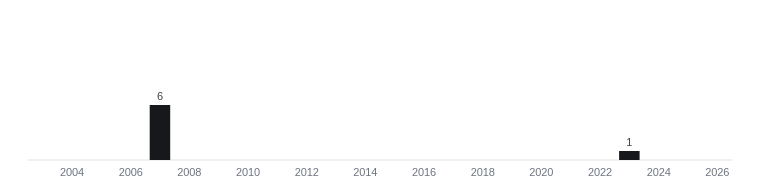
Citation items per year, by inspection date.
New York · latest 90 days of OSHA records
360employers cited
Get notified the morning OSHA posts each new citation in New York: the employer, the site address, the rules broken and the penalty.
Checking a subcontractor, a client or your own company? Watch Beech-Nut Nutrition Company and get notified the morning OSHA posts a new citation for it.
From the Form 300A summaries employers file with OSHA each year. Rate = recordable cases per 100 full-time workers.
In 2025, the Amsterdam site logged 8 recordable injuries or illnesses among about 236 workers: 3.1 per 100 full-time workers, against a median of 3.4 for its industry. Those cases cost 6 days away from work.
Site and year
Workers
Cases
Days-away cases
Rate
Industry median
Beech-Nut Nutrition
Amsterdam · 2025
236
8
3
3.1
3.4
Included with any plan: 5 more yearly logs from these sites, back to 2018, with each site's average rate over its latest three years. Already a subscriber? Sign in.
An employee was troubleshooting an issue with an incline conveyor track when his left index finger contacted a moving chain. The left index finger was amputated at the bottom of the nailbed. The machine was unguarded at the time.
Mar 1, 2023, Amsterdam: Hospitalization · heat (thermal) burns, unspecified · multiple body parts, n.e.c.
An employee was cleaning a piece of equipment while standing near a tank that was being sanitized with hot water and chemicals. The tank built up pressure and the water and chemicals struck the employee's back, buttocks, and the back of their legs, resulting in burns.
Oct 15, 2015, Amsterdam: Hospitalization · heat (thermal) burns, unspecified · multiple body parts, n.e.c.
An employee was sprayed by baby food product and metal while checking for clogs in the system line, sustaining burns on the right hand, right forearm, chest, and upper lip. The baby food product was approximately 200 degrees.
The rules behind these citations
Current text from the Code of Federal Regulations. Some citations were issued under older wording.
(a) General requirements. (1) The employer shall ensure that each affected employee uses appropriate eye or face protection when exposed to eye or face hazards from flying particles, molten metal, liquid chemicals, acids or caustic liquids, chemical gases or vapors, or potentially injurious light radiation.
(i) An employer may provide respirators at the request of employees or permit employees to use their own respirators, if the employer determines that such respirator use will not in itself create a hazard. If the employer determines that any voluntary respirator use is permissible, the employer shall provide the respirator users with the information contained in appendix D to this section (“Information for Employees Using Respirators When Not Required Under the Standard”); and
29 CFR 1910.134(c)(2)(ii)
(ii) In addition, the employer must establish and implement those elements of a written respiratory protection program necessary to ensure that any employee using a respirator voluntarily is medically able to use that respirator, and that the respirator is cleaned, stored, and maintained so that its use does not present a health hazard to the user. Exception: Employers are not required to include in a written respiratory protection program those employees whose only use of respirators involves the voluntary use of filtering facepieces (dust masks).
Alert subscribers get notified of each newly cited employer in New York the morning it is posted. See the alert plans.
Source: U.S. Department of Labor, OSHA enforcement data. A citation is OSHA's allegation; employers can contest it, and the status column shows where each item stands. Something wrong on this page? Tell us.